Why does mineral Sunscreen leave a White Cast? (And How to Fix It)
This post may contain affiliate links. This means if you click on the link and purchase something, I will receive a commission with no extra cost to you. For more information, please read my disclaimer.
Mineral sunscreen is one of the safest, most effective ways to protect your skin from UV damage. But the notorious white cast it leaves behind stops a lot of people from wearing it consistently — and that’s a problem, because inconsistent SPF is barely better than no SPF at all.
The good news is that the white cast issue is far more solvable than it used to be. Once you understand why it happens, the workarounds are pretty straightforward.
The short version
- The white cast comes from zinc oxide and titanium dioxide, which are naturally white minerals that physically reflect UV rays at the skin’s surface.
- Deeper skin tones are significantly more affected because of the contrast between the white minerals and melanin-rich skin.
- Tinted mineral sunscreens are the single biggest fix — they cancel the white cast and work across a wider range of skin tones.
- Modern micronized formulas leave dramatically less residue than older mineral sunscreens, without sacrificing protection.
- Application technique matters more than people realize — thin layers, proper blending, and the right order in your routine all help.
What causes the white cast?
The comes down to the active ingredients. Mineral sunscreens use zinc oxide and titanium dioxide as their UV filters, and both are naturally white, opaque pigments. There’s no way around that — it’s a physical property of the minerals themselves.
Unlike chemical sunscreens, which absorb into the skin and convert UV rays into heat, mineral formulas sit on top of the skin. They work by physically reflecting and scattering UV rays away from the surface, which is exactly what makes them so effective at providing broad-spectrum UVA and UVB protection. If you want the full breakdown of how the two types compare, I’ve covered mineral vs chemical sunscreen in detail.
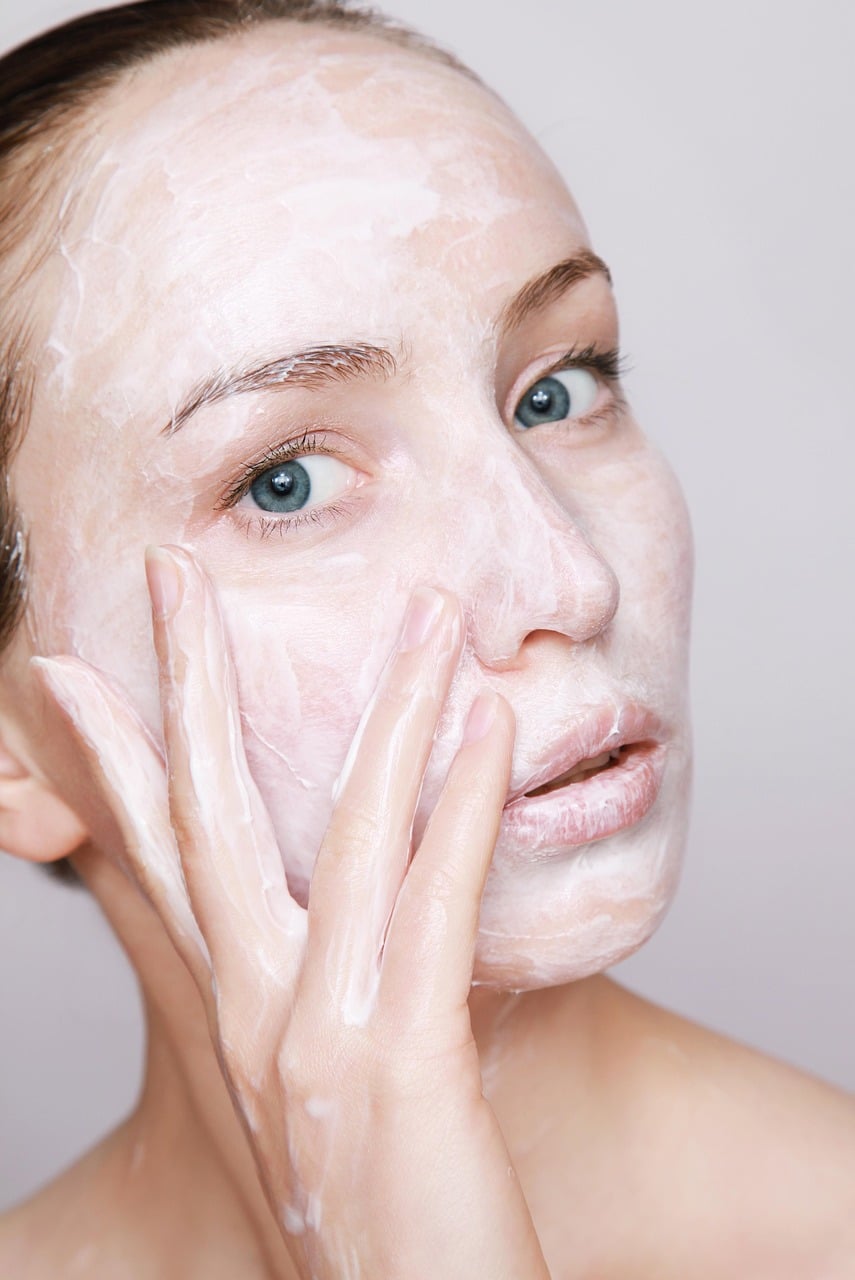
The downside is that those white particles don’t fully blend into the skin the way chemical filters do. What you’re left with is that chalky, ghostly finish that puts so many people off mineral SPF in the first place.

Why some skin tones experience it more
White cast doesn’t affect everyone equally. People with deeper or darker skin tones tend to notice it far more dramatically — simply because the contrast between the white minerals and the skin underneath is greater.
On lighter skin tones, the white residue often blends in reasonably well or reads as a slightly dewy finish. On medium to deep skin tones, the same product can look gray, ashy, or almost mask-like. This has historically made mineral sunscreen feel exclusionary to people with deeper skin, and it’s a completely valid frustration.
The encouraging news is that the formulation side of the industry has finally responded. There are far more inclusive mineral sunscreens on the market now, specifically designed with deeper skin tones in mind. Tinted formulas with a real shade range, advanced particle technology, and iron oxides have addressed the issue much more directly than even five years ago.
The role of particle size in white cast
all mineral sunscreens are equal. One of the biggest factors in how much white cast a product leaves is the size of the zinc oxide or titanium dioxide particles in the formula.
Traditional mineral sunscreens use larger particles, which scatter more visible light and leave a more obvious white film. Modern formulations often use micronized or nano-sized particles, which are much smaller and blend far more transparently into the skin.
Here’s how particle size affects the finish:
- Standard particles — strong UV protection, most visible white cast, thicker texture
- Micronized particles — excellent protection, significantly reduced white cast, lighter feel
- Nano particles — the most transparent finish and solid protection, though there’s some ongoing debate about whether the smaller particles are absorbed by the skin
If you want to dig into the safety side of smaller particle sizes, I’ve covered whether zinc oxide sunscreen is actually safe — including the nano vs non-nano question — in its own post.
How to fix the white cast: What really works?
few approaches genuinely work. The right one depends on your skin tone, the products you already own, and how much effort you want to put into your routine.
- Switch to a tinted formula. Tinted mineral sunscreens contain iron oxides that cancel out the white pigments and give a much more skin-like finish. This is the single biggest upgrade for anyone struggling with white cast.
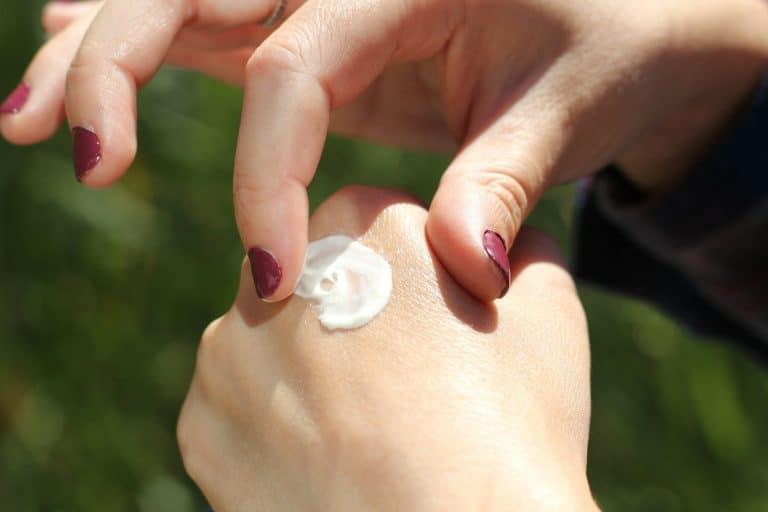
- Apply in thin layers. Using too much product at once amplifies the white cast. Build coverage gradually instead of trying to get full protection in one go.
- Blend immediately after application. Use your fingertips or a damp beauty sponge to work the product evenly into the skin before it sets. Mineral SPF starts setting faster than chemical formulas.
- Layer a tinted moisturizer or bronzer on top. This can neutralize any remaining white tone without affecting the SPF underneath.
- Look for fluid or serum SPF formats. Lighter textures blend more easily and leave less residue than thick creams.
Tinted sunscreens have quietly become the smartest choice for most people who’ve struggled with mineral SPF in the past. They’re widely available across a real shade range now, and many of them double as light coverage for everyday wear, which means one product is doing the work of two.
Does fixing white cast mean compromising protection?
This is one of the most common concerns I get asked about, and the short answer is no. You don’t have to sacrifice sun protection to get a better-looking finish. Well-formulated tinted and micronized sunscreens still deliver full broad-spectrum SPF.
What matters most is that you’re actually applying enough product. The standard recommendation is about a quarter teaspoon for the face alone. Most people use a fraction of that, which reduces both protection and — paradoxically — can make the white cast worse because thin patches blend less evenly and look streaky.
If you want to make sure the sunscreen you’re using is genuinely doing the job (and not just sitting in a nice-looking bottle), my complete guide to non-toxic sunscreen walks through what to look for on the ingredient label.
Choosing the right mineral Sunscreen for your skin tone
Finding the right mineral formula can take a little trial and error, but there are clear signals to look for.
For fair to light skin tones, most mineral sunscreens will work reasonably well with good blending technique. For medium, olive, and deep skin tones, I’d strongly recommend starting with tinted options — life’s too short to fight a white cast every morning when the formulation already exists to solve it.
Here’s what to check when you’re shopping:
- Look for “sheer,” “tinted,” or “micronized” on the label. These tend to perform best on the white cast front.
- Scan for iron oxides in the ingredient list. They’re what neutralizes the white pigment in tinted formulas.
- Avoid thick, cream-based formulas if you have oily skin. They’re harder to blend evenly and tend to look heavier on the skin.
- Opt for fluid, serum, or gel textures if you want lighter, more transparent coverage.
The right mineral sunscreen should feel like a seamless part of your routine, not an obstacle to it. If you’re ready to find one that actually works for your skin tone and texture preferences, I’ve put together a roundup of the best non-toxic sunscreens I’ve tested — including tinted options across a range of skin tones.
Final Thoughts
Mineral sunscreen leaves a white cast because zinc oxide and titanium dioxide are inherently white, opaque minerals that sit on the surface of the skin. It’s a physical property of how they work, not a flaw in mineral UV protection itself.
Modern formulations, tinted options, and smarter application techniques have made this far less of an issue than it used to be. Don’t let the white cast put you off what’s genuinely the safest class of UV protection available — find the right formula for your skin and wear it daily.