Can You Use Expired Sunscreen? Here’s What Experts Say
This post may contain affiliate links. This means if you click on the link and purchase something, I will receive a commission with no extra cost to you. For more information, please read my disclaimer.
Expired sunscreen might seem like a minor concern, but dermatologists and regulatory bodies agree it’s a genuine skin health risk. Understanding why sunscreen expires — and what it means for your protection — can make a real difference in preventing sunburn, premature aging, and even skin cancer.
Key Takeaways
- The FDA classifies sunscreen as an OTC drug, meaning expiration dates are a regulatory requirement, not a suggestion.
- Expired sunscreen can deliver little to no SPF protection, despite what the label claims.
- Signs of degraded sunscreen include separation, color changes, odd smells, and texture shifts.
- Heat and improper storage can cause sunscreen to expire before its printed date.
- Replacing expired sunscreen with a broad-spectrum SPF 30 or higher is the safest option for your skin.
What Happens When Sunscreen Expires?
Sunscreen isn’t just a cosmetic product — the FDA classifies it as an OTC drug. That means it’s held to the same pharmaceutical standards as other medications, including strict expiration dating rules.
Manufacturers must print an expiration date on the label unless the product has been tested to remain stable for at least three years. If no date is printed, treat it as having a three-year shelf life from the date of manufacture.
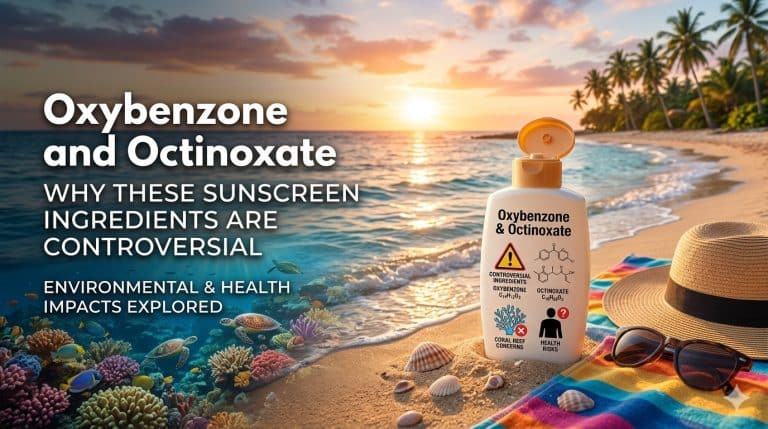
The active UV-filtering ingredients in sunscreen are chemically sensitive to time, heat, and light. Chemical filters like avobenzone, oxybenzone, and octinoxate absorb UV radiation and convert it to heat — but they break down over time, reducing their UV-absorbing capacity.
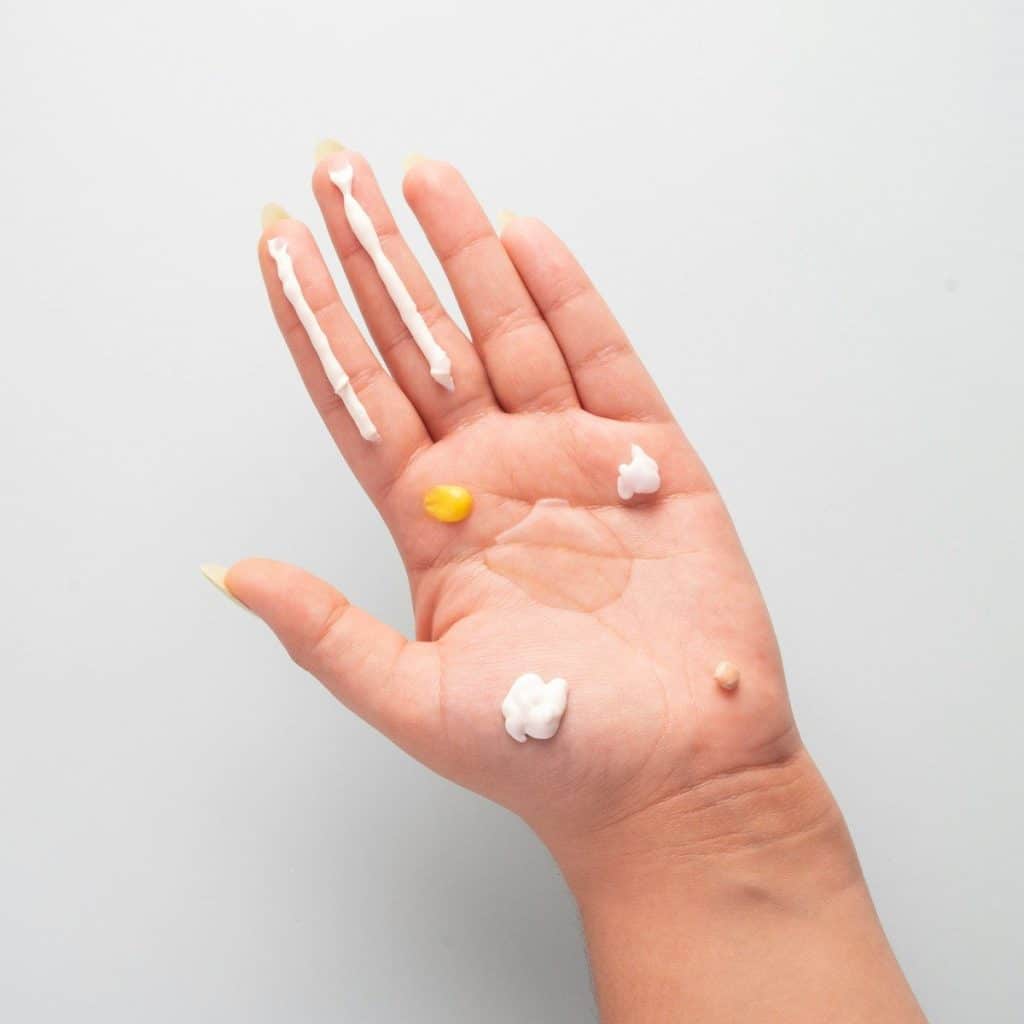
Mineral sunscreens using zinc oxide and titanium dioxide are more stable but can still degrade if the base formula separates or dries out. Once the formula separates, UV filters may not spread evenly on the skin, leaving unprotected gaps.
Can You Use Expired Sunscreen? Here’s the Real Answer
So, can you use expired sunscreen? The short answer from experts is: no. The SPF value on the label only guarantees protection within the product’s tested shelf life.
After the expiration date, the actual SPF may drop significantly — in some cases offering little to no meaningful protection. This is especially dangerous because most people assume expired sunscreen still works proportionally to the label.
That assumption leads to false confidence. People stay in the sun longer, skip reapplication, and skip other protective measures like shade or UV-protective clothing — all while believing they’re covered.
For a deeper understanding of what’s actually inside your bottle, check out this guide on non-toxic sunscreen ingredients to know which actives tend to degrade fastest.
How to Tell If Your Sunscreen Has Gone Bad
Even within the expiration window, sunscreen can degrade prematurely due to improper storage. Knowing the warning signs can help you catch it early.
Here are the key physical signs that your sunscreen has gone bad:
- Formula separation — visible layers of oil and water inside the bottle
- Color changes — yellowing, darkening, or any shift from the product’s original tone
- Unusual odor — a rancid, sour, or overly strong chemical smell
- Texture changes — watery, clumpy, overly thick, or grainy consistency
- Application issues — pilling, beading, or difficulty spreading evenly on skin
If you spot any of these signs, discard the product immediately — regardless of the expiration date. Don’t risk your skin on a formula that’s already compromised.
Learning to read sunscreen labels correctly also helps you identify storage instructions and manufacturing dates more confidently.
The Health Risks of Using Expired Sunscreen
The most immediate risk of using expired sunscreen is inadequate UV protection. That opens the door to a range of skin health consequences.
According to the Skin Cancer Foundation, 1 in 5 Americans will develop skin cancer by age 70. More than 5 million cases of skin cancer are treated in the U.S. each year, and UV exposure accounts for approximately 90% of nonmelanoma skin cancers.
The specific risks from insufficient sun protection include:
- Sunburn — immediate skin damage from UVB radiation
- Premature skin aging — wrinkles, fine lines, and hyperpigmentation from UVA exposure
- Skin cancer — the most serious long-term consequence of repeated UV exposure
- Skin irritation — degraded preservatives and inactive ingredients can become irritants over time
The false sense of security is arguably the biggest danger. When you think you’re protected, you take more risks — and that’s exactly when sun damage accumulates.
Mineral vs. Chemical Sunscreen: Which Lasts Longer?
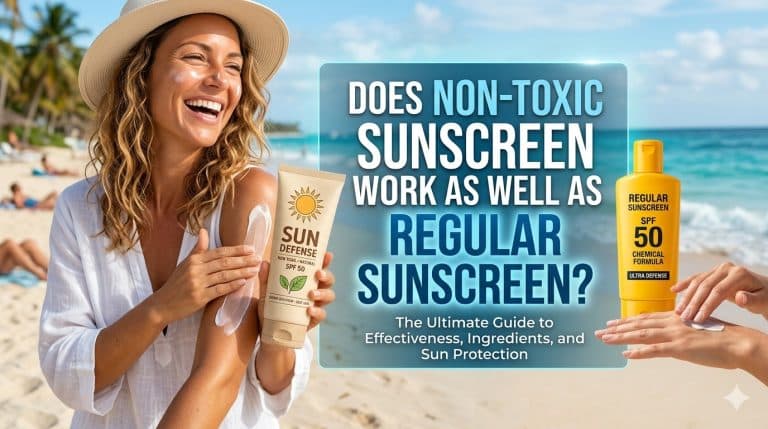
Mineral sunscreens — those using zinc oxide or titanium dioxide — generally hold up better over time than chemical alternatives. Their active ingredients don’t degrade from UV exposure the way organic filters do.
Chemical sunscreens offer lighter textures and more cosmetically elegant finishes, but they’re more susceptible to photodegradation and chemical breakdown. Avobenzone, a common chemical filter, is particularly photounstable.
That said, no sunscreen is immune to expiration. Even mineral formulas can develop microbial growth, preservative breakdown, or separation in the base formula. Both types must be used before expiration and stored correctly.
If you’re considering switching to a mineral formula, this non-toxic sunscreen guide covers the best options available right now.
How to Store Sunscreen Properly
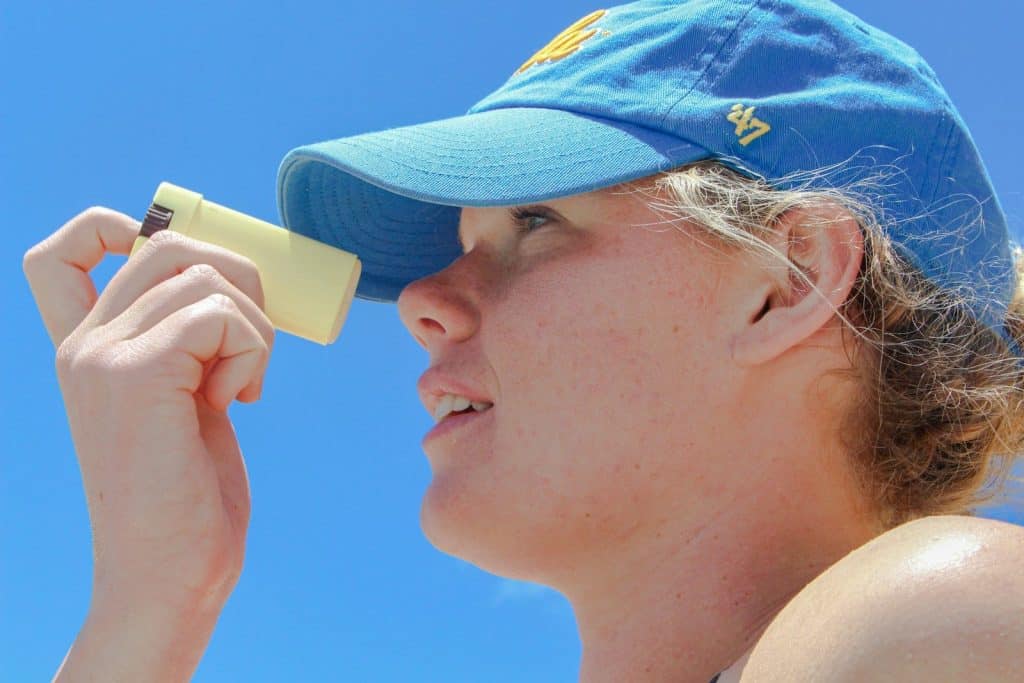
Improper storage is one of the most common reasons sunscreen degrades before its printed date. Heat is the biggest culprit — the FDA recommends storing sunscreen below 77°F (25°C).
Sunscreen left in car gloveboxes or exposed to direct sun on beach bags can regularly exceed 100°F, dramatically accelerating the breakdown of active ingredients and preservatives.
Follow these simple storage habits to protect your sunscreen’s efficacy:
- Store in a cool, dry place away from direct sunlight
- Use a cooler or insulated bag during outdoor activities
- Avoid leaving bottles in cars or on sun-exposed surfaces
- Keep lids tightly closed to prevent contamination and drying out
- Write the purchase date on the bottle if no expiration date is printed
Good storage habits can mean the difference between sunscreen that performs as labeled and one that fails you at the worst moment.
How to Choose a Replacement Sunscreen
Once you’ve tossed your expired product, choosing the right replacement matters. The American Academy of Dermatology (AAD) recommends broad-spectrum SPF 30 or higher for all outdoor activities.
Here’s what to look for in a new sunscreen:
- Broad-spectrum protection — covers both UVA and UVB radiation
- SPF 30 or higher — SPF 30 blocks approximately 97% of UVB rays; SPF 50 blocks around 98%
- Water resistance — essential for swimming, sports, and heavy sweating
- Formula suited to your skin type — face-specific formulas differ from body sunscreens
- Fragrance-free options — especially important for sensitive or reactive skin
The Skin Cancer Foundation endorses daily use of broad-spectrum SPF 15 or higher for routine activities, and SPF 30 or higher for extended outdoor exposure. Reapplication every two hours — and after swimming or sweating — is non-negotiable.
Experts also point out that running through sunscreen quickly is actually a good sign. It means you’re applying the right amount. If a bottle lasts you all summer, you’re almost certainly not using enough.
Sources
FDA – Sunscreen: How to Help Protect Your Skin from the Sun
Skin Cancer Foundation – Sunscreen
American Academy of Dermatology – Sunscreen FAQs
American Cancer Society – Sunscreen
Mayo Clinic – Sunscreen Expiration Date