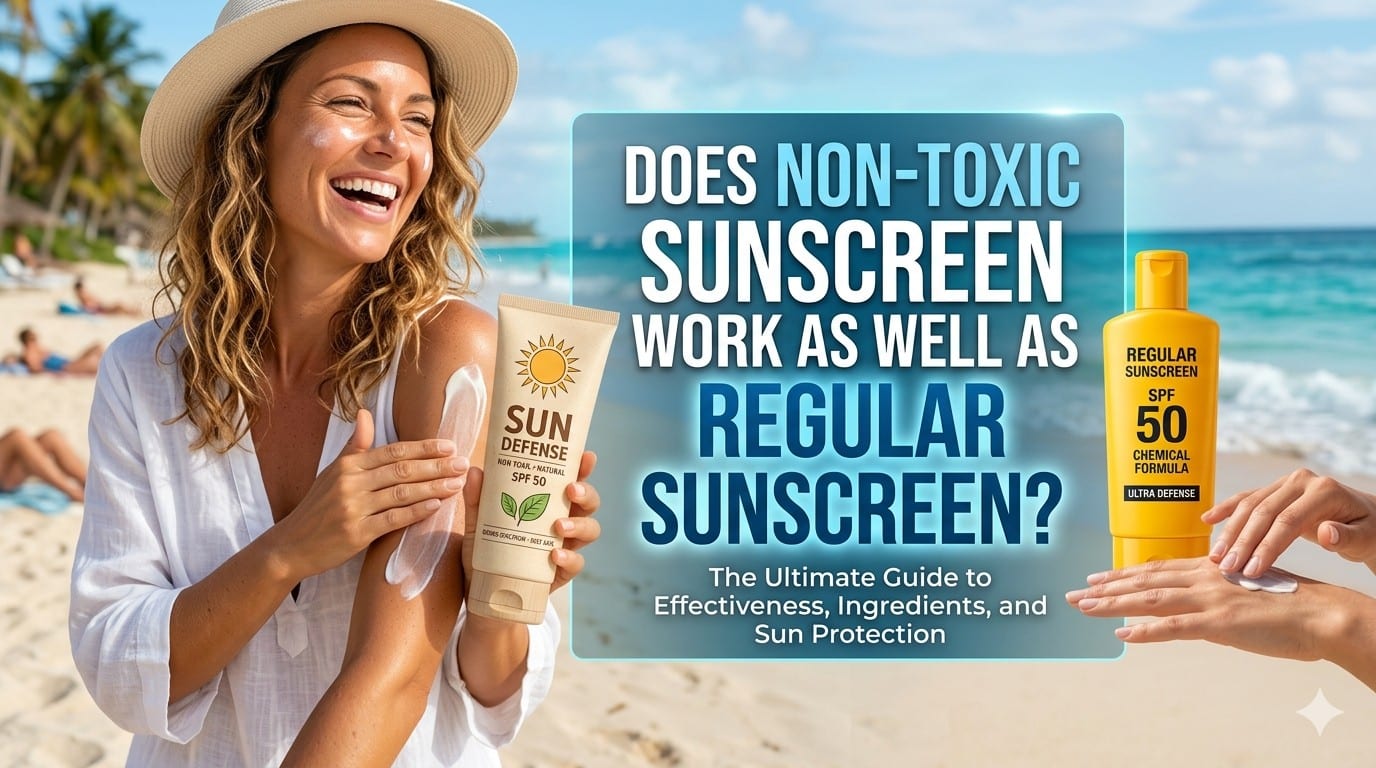
Does Non-Toxic Sunscreen Work as Well as Regular Sunscreen?
This post may contain affiliate links. This means if you click on the link and purchase something, I will receive a commission with no extra cost to you. For more information, please read my disclaimer.
Non-toxic sunscreen has gained significant traction as more people look for safer alternatives to conventional chemical-based formulas, and the key question is whether it actually delivers the same level of sun protection. Mineral sunscreens — the foundation of most non-toxic options — use zinc oxide and titanium dioxide to physically block UV rays, and the science behind them is both well-established and increasingly compelling.
Key Takeaways
- Non-toxic sunscreens use mineral filters like zinc oxide and titanium dioxide instead of synthetic chemical UV absorbers.
- Mineral sunscreens offer broad-spectrum protection against both UVA and UVB rays, comparable to chemical alternatives.
- Chemical sunscreen ingredients like oxybenzone and avobenzone have raised concerns about hormone disruption and skin absorption.
- Non-toxic formulas are generally better for sensitive skin and less damaging to marine ecosystems.
- Modern mineral sunscreens have improved significantly in texture, making them far more wearable than earlier generations.
What Is Non-Toxic Sunscreen?
Non-toxic sunscreen is a term used to describe formulas that avoid synthetic chemical UV filters and other potentially harmful additives. These products rely on naturally derived mineral ingredients to shield your skin from the sun rather than absorbing UV radiation through a chemical reaction.
The most common active ingredients you’ll find are zinc oxide and titanium dioxide. These minerals sit on top of the skin and act as a physical barrier, reflecting and scattering UV rays before they can penetrate.
If you’re exploring your options, this complete guide to non-toxic sunscreen is a great place to start. It covers everything from ingredient lists to application tips in one place.
How Non-Toxic Sunscreen Actually Works
Unlike chemical sunscreens, which absorb UV radiation and convert it into heat, mineral sunscreens work by physically blocking UV rays at the skin’s surface. This is why they’re often called physical sunscreens.
Zinc oxide is particularly effective because it protects against both UVA and UVB radiation simultaneously. Titanium dioxide is also strong, though it performs better against UVB and short-wave UVA rays specifically.
The physical blocking mechanism means protection starts immediately upon application. Chemical sunscreens typically require around 20 minutes to absorb and become effective, which is a practical advantage mineral formulas hold over their conventional counterparts.
Does Non-Toxic Sunscreen Offer the Same SPF Protection?
This is the heart of the debate — and the answer is yes, it absolutely can. Non-toxic mineral sunscreens are available in SPF 30, SPF 50, and higher, offering levels of protection that match standard chemical sunscreens.
SPF ratings are determined by standardized testing regardless of whether the formula is mineral or chemical. A mineral SPF 50 blocks around 98% of UVB rays, the same as a chemical SPF 50 would.
Broad-spectrum certification is available for both types, meaning both can protect against UVA rays — the ones responsible for premature aging and deeper skin damage. The key difference lies in how that protection is delivered, not how much of it you get.
You can dig deeper into how these two approaches compare by reading more about mineral vs chemical sunscreen differences in formulation and performance.
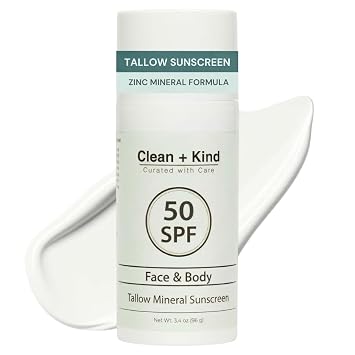
Tallow with Non-Nano Zinc Oxide Natural Mineral. Reef-Safe & Non-Toxic Sunblock for Face & Body Non-Greasy, Moisturizing Protection for Sensitive Skin (3.4 oz).
The Safety Case for Going Non-Toxic
One of the biggest reasons people switch to non-toxic sunscreen is concern over the safety of chemical UV filters. Studies have shown that several common chemical sunscreen ingredients can be absorbed into the bloodstream at measurable levels.
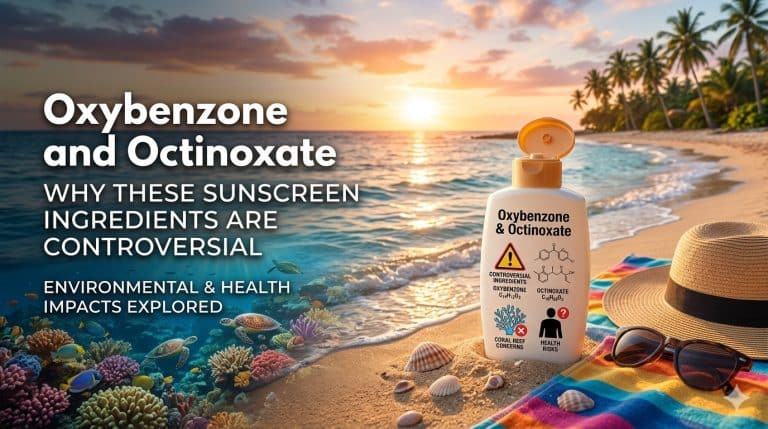
The FDA has raised questions about ingredients like oxybenzone, octinoxate, and homosalate, stating that more safety data is needed before they can be classified as “generally recognized as safe and effective.” That’s not a ban, but it’s a significant flag.
Oxybenzone in particular has been associated with potential endocrine disruption, meaning it could interfere with hormone function. While the research is ongoing, many people would rather not take that risk, especially for daily use on children or during pregnancy.
Mineral sunscreens don’t carry the same concerns. Zinc oxide and titanium dioxide are not absorbed into the bloodstream at significant levels, making them a far less controversial choice for long-term skin health.
Is Non-Toxic Sunscreen Better for Sensitive Skin?
Mineral sunscreens have a well-earned reputation as the go-to choice for sensitive, reactive, or acne-prone skin. The physical barrier mechanism means less potential for irritation compared to chemical formulas that work through absorption.
Chemical sunscreen ingredients are known to cause reactions in some people, including:
- Redness and stinging, particularly around the eyes
- Contact dermatitis or allergic reactions
- Clogged pores and breakouts in acne-prone skin
- Irritation for people with rosacea or eczema
Zinc oxide has natural anti-inflammatory properties, which is why it’s used in products like diaper rash cream and wound care. For anyone whose skin reacts badly to conventional sunscreens, switching to a mineral formula often makes a noticeable difference.
The Environmental Angle
Beyond personal health, environmental impact is another compelling reason to choose non-toxic sunscreen. Chemical filters — particularly oxybenzone and octinoxate — have been linked to coral reef bleaching and damage to aquatic ecosystems.
Hawaii and several other regions have gone so far as to ban sunscreens containing these chemicals in an effort to protect their reef systems. It’s a real-world policy response to genuine environmental harm.
Mineral sunscreens are generally considered reef-safe, though it’s worth checking that the zinc oxide used is non-nano (larger particles that aren’t ingested by marine life). Non-nano zinc oxide is now widely available in quality non-toxic formulas.
The Honest Downsides of Non-Toxic Sunscreen
It’s worth being upfront about the limitations. Earlier generations of mineral sunscreens had a thick, white cast that made them unpopular — especially on darker skin tones where the chalky residue was far more visible.
That’s changed significantly. Modern formulations use micronized zinc oxide and advanced cosmetic technology to create lightweight textures that blend more smoothly. Many non-toxic sunscreens now feel comparable to conventional formulas in terms of wearability.
That said, some trade-offs still exist. Mineral sunscreens can feel slightly heavier under makeup, and they may not perform as well during intense sweating or swimming without reapplication. Frequent reapplication remains essential regardless of which type you use.
Understanding exactly what’s in your sunscreen matters. Taking a closer look at non-toxic sunscreen ingredients will help you identify what to look for and what to avoid on the label.
So, Does Non-Toxic Sunscreen Work as Well?
The straightforward answer is yes — when used correctly. Non-toxic mineral sunscreen provides genuine, scientifically supported broad-spectrum UV protection at SPF levels that match conventional options.
It’s not a compromise. It’s a different delivery method that comes with meaningful advantages in terms of skin safety, environmental impact, and suitability for sensitive skin types.
The most important factor in any sunscreen’s effectiveness isn’t the formula — it’s whether you apply enough and reapply regularly. Most people use far less sunscreen than is needed to achieve the labeled SPF, which affects both mineral and chemical products equally.
If you’ve been hesitant to make the switch because you assumed non-toxic meant less effective, the evidence says otherwise. High-quality mineral sunscreen is a strong, safe choice that can fully replace your conventional formula without sacrificing protection.
Sources
thepureswitch.com – Non-Toxic Sunscreen Guide