What to Look For (and What to Avoid) with Toxic Sunscreen Ingredients
This post may contain affiliate links. This means if you click on the link and purchase something, I will receive a commission with no extra cost to you. For more information, please read my disclaimer.
Did you know that one drop of oxybenzone in six-and-a-half Olympic-sized pools of water is enough to damage coral reefs? That statistic hit me like a ton of bricks when I first started researching sunscreen ingredients a few years back. I’d been slathering what I thought was “protection” on my skin without even checking what was in the bottle!
Some sunscreens contain chemicals that can disrupt your hormones, irritate sensitive skin, and wreak havoc on marine ecosystems. But here’s the good news—there are plenty of safe, non-toxic alternatives that actually work better than their chemical counterparts.
In this guide, I’m breaking down everything you need to know about non-toxic sunscreen ingredients so you can make informed choices for your health and the environment.
Why Non-Toxic Sunscreen Ingredients Matter
I’ll be honest—I used to grab whatever sunscreen was on sale at the drugstore.
Then I learned that many common sunscreen chemicals get absorbed through your skin and can be detected in your blood, urine, and even breast milk within hours of application. That freaked me out enough to start reading labels like my life depended on it. And in some ways, it kinda does.
The FDA currently proposes that only two ingredients are Generally Recognized As Safe and Effective (GRASE) for sunscreen use: zinc oxide and titanium dioxide. Meanwhile, 14 commonly used chemical filters need additional safety data because of concerns about systemic absorption, hormone disruption, and environmental damage. Chemical sunscreens work by absorbing into your skin and converting UV rays to heat, which means those questionable ingredients are circulating through your body.
Non-toxic mineral sunscreens, on the other hand, sit on top of your skin like a shield, physically reflecting UV rays away from your body. No absorption, no hormone disruption, just straightforward protection. Plus, they start working immediately—no waiting 20 minutes like with chemical formulas.
Zinc Oxide: The Gold Standard for Sun Protection
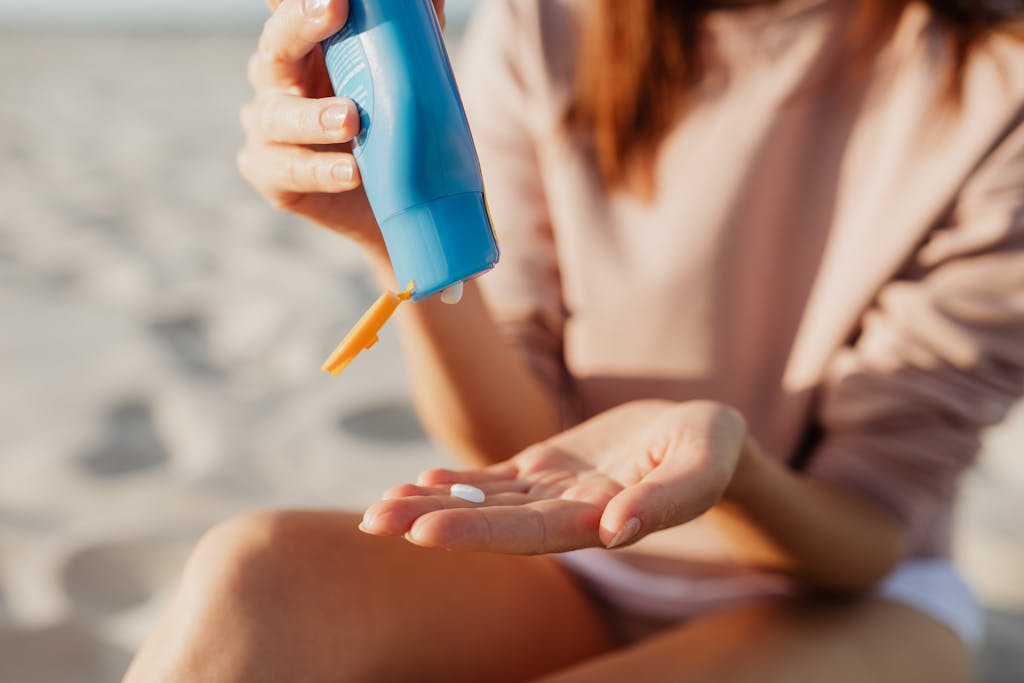
Zinc oxide is hands down my favorite sunscreen ingredient, and for good reason.
This mineral powerhouse provides broad-spectrum protection against both UVA and UVB rays. UVA rays are the sneaky ones that age your skin prematurely and contribute to skin cancer, while UVB rays are what cause those painful sunburns. Zinc oxide blocks them all without breaking down in sunlight like some chemical filters do.
Here’s what makes zinc oxide so special: it’s incredibly gentle and rarely causes irritation or allergic reactions. I’ve used it on my kids since they were babies, and we’ve never had issues with redness or rashes. The Environmental Working Group (EWG) regards zinc oxide as one of the safest UV filters available.
Now, you’ll often see “non-nano” zinc oxide on labels, and this is important. Non-nano particles are larger than 100 nanometers, which means they can’t penetrate your skin. They stay right on the surface where they belong, reflecting those harmful rays. Studies show that non-nano zinc oxide doesn’t get absorbed into your bloodstream—unlike nano zinc oxide, which has been detected in urine. The Australian government’s Therapeutic Goods Administration conducted extensive research and concluded that zinc oxide nanoparticles in sunscreen don’t penetrate healthy or even sunburnt skin to reach living cells, making systemic toxicity highly unlikely.
The only real downside? Non-nano zinc oxide can leave a slight white cast, especially at higher concentrations. But honestly, I’d take a little white cast over hormone-disrupting chemicals any day!
Titanium Dioxide: Another Safe Mineral Option
Titanium dioxide is zinc oxide’s partner in crime when it comes to safe sun protection.
This mineral ingredient also provides physical UV protection, though it focuses more on UVB rays and short-wave UVA compared to zinc oxide’s broader coverage. Some sunscreen brands combine both minerals to achieve more balanced protection, but many modern formulas use zinc oxide alone because of its superior UVA blocking.
Like zinc oxide, titanium dioxide sits on your skin’s surface and reflects UV rays rather than absorbing them. Research shows it doesn’t penetrate the skin barrier—even in nanoparticle form, it’s unlikely to reach viable cells in your epidermis or other organs. The European Scientific Committee on Consumer Safety reviewed the evidence and concluded that titanium dioxide nanomaterials in sunscreen formulations don’t lead to systemic exposure through human skin.
I’ve noticed that titanium dioxide tends to create lighter, less thick formulas compared to zinc oxide alone. It’s often used in tinted sunscreens and lighter-weight products. Some people prefer the cosmetic feel, though personally I stick with zinc oxide for its more comprehensive UVA protection.
One thing to watch for: Both titanium dioxide and zinc oxide can produce free radicals when exposed to UV light through a process called photocatalysis. But don’t panic! Manufacturers prevent this by coating the particles, usually with silica, which effectively blocks reactive oxygen species formation. Any reputable sunscreen brand will use coated particles.
Natural Botanicals and Supportive Ingredients

Here’s where things get really interesting—beyond the mineral actives, many non-toxic sunscreens include plant-based ingredients that enhance protection and nourish your skin.
Vitamin E (tocopheryl acetate) is a common addition that helps condition skin and defend against environmental damage from UV exposure. It’s an antioxidant that fights free radicals, those unstable molecules that steal electrons from healthy cells. I always look for this ingredient because my skin feels noticeably softer when it’s included.
Green tea extract is another superstar. It contains polyphenols and catechin antioxidants that neutralize free radicals created by UV exposure. Research has even shown that green tea extract provides SPF activity on its own—one study found an emulgel formulation with green tea had an SPF of 13 ! Obviously, that’s not enough protection alone, but as a supportive ingredient it adds an extra layer of defense.
Vitamin C (3-O-Ethyl Ascorbic Acid) supports collagen production, brightens skin, and protects against free radical damage. Niacinamide enhances skin texture, reduces redness, and supports hydration. I’ve noticed these ingredients really help prevent that dried-out feeling some sunscreens give.
Aloe vera, shea butter, and coconut oil frequently appear in natural sunscreen formulations too. Aloe vera forms a protective barrier and has soothing properties that help with sun-damaged skin. Shea butter is rich in vitamins A and E plus fatty acids that keep skin hydrated and form an additional protective layer. Coconut oil actually has a natural SPF of around 7 and helps the formula spread smoothly.
These botanical ingredients don’t replace mineral UV filters, but they definitely enhance overall protection and skin health. Think of them as your sunscreen’s supporting cast!
Harmful Chemical Sunscreen Ingredients to Avoid
Alright, let’s talk about the bad guys—the ingredients you absolutely want to skip.
Oxybenzone is public enemy number one. This chemical is readily absorbed through your skin, enters your bloodstream, and has been detected in breast tissue and breast milk. It’s linked to endocrine disruption, meaning it can mimic or block hormones and throw off your body’s hormonal balance. Plus, it causes allergic skin reactions in some people and is devastating to coral reefs. Hawaii actually banned sunscreens containing oxybenzone because of the widespread coral bleaching it causes.
Octinoxate (octyl methoxycinnamate) is another hormone disruptor that gets absorbed through skin and shows up in human urine, blood, and breast milk. It’s also directly linked to coral bleaching. Just… no thanks.
Avobenzone breaks down in sunlight unless it’s stabilized by other chemicals, which can make it easier for UV rays to penetrate your skin. The FDA has raised concerns about this ingredient along with 13 others that need more safety data.
Octocrylene is particularly nasty because it degrades over time into benzophenone, a suspected carcinogen and endocrine disruptor. Studies show benzophenone levels increase as sunscreen ages, making older products potentially more hazardous. The EU banned benzophenone completely in cosmetics as of November 2023. Plus, octocrylene has been linked to increasing photoallergic reactions.
Homosalate is suspected of disrupting estrogen, androgen, and progesterone. The European Commission recommends limiting it to 1.4% in cosmetics, while the FDA currently allows concentrations up to 15%. That’s a huge difference!
Other ingredients the FDA has proposed as “not GRASE” (meaning not generally recognized as safe and effective) include: octisalate, cinoxate, dioxybenzone, ensulizole, meradimate, padimate O, sulisobenzone, aminobenzoic acid, and trolamine salicylate. If you see these on a label, put the bottle back on the shelf.
I made a rule for myself: if I can’t pronounce it and it’s not zinc oxide or titanium dioxide, I don’t buy it!
How to Choose the Best Non-Toxic Sunscreen

Shopping for sunscreen used to overwhelm me, but I’ve developed a simple system that works every time.
First, check the active ingredients. You want to see zinc oxide and/or titanium dioxide listed as the only active ingredients. Ideally, look for non-nano zinc oxide at concentrations between 15-25% for effective broad-spectrum protection. Higher percentages generally provide better coverage.
Second, look for EWG Verification. The Environmental Working Group maintains a database of sunscreens and gives their “EWG Verified” seal to products that meet their strict safety standards. This certification means the product is free from oxybenzone, octinoxate, homosalate, octisalate, octocrylene, and other concerning chemicals. It’s basically a shortcut to finding safe products without reading every ingredient label.
Third, avoid harsh inactive ingredients like parabens, phthalates, sulfates, and synthetic fragrances. These preservatives and additives often cause allergic reactions and skin problems. I learned this the hard way when a “mineral sunscreen” with fragrance gave me a rash. Now I stick with fragrance-free formulas.
Fourth, consider reef-safe certification if you’ll be near water. Many destinations now ban sunscreens that harm coral reefs and marine life. Look for products specifically labeled as reef-safe or ocean-friendly.
Fifth, think about your specific needs. If you have sensitive skin or are buying for kids, prioritize gentle formulations with non-nano particles. For sports or swimming, look for water-resistant options. For daily face use, consider tinted formulas that blend better cosmetically.
I keep different sunscreens for different purposes—a lightweight face formula for daily wear, a heavier sport formula for outdoor activities, and a stick formula for quick reapplication. Having the right product for each situation makes me way more likely to actually use it consistently!
The Environmental Impact of Your Sunscreen Choice
This is where your sunscreen choice goes beyond personal health—it affects entire ecosystems.
Remember that statistic I mentioned earlier? Just one drop of oxybenzone in 6.5 Olympic-sized pools is enough to damage coral reefs. That’s mind-blowing when you think about how much sunscreen washes off beachgoers every single day. Chemical sunscreen ingredients like oxybenzone and octinoxate cause coral bleaching and fish mortality.
Non-nano zinc oxide is increasingly recognized for having lower impact on marine ecosystems compared to chemical sunscreen ingredients. Because the particles are larger, they’re less likely to be absorbed by marine organisms. Studies have shown that non-nano zinc oxide is less harmful to coral reefs and ocean life than nano particles or chemical filters.
I’ll be real with you—I didn’t think much about this until I went snorkeling in Mexico a few years ago and saw bleached coral firsthand. It was heartbreaking. The guide explained how sunscreen runoff was contributing to the destruction, and I felt terrible. Now I only use mineral sunscreens, especially when I’m anywhere near water.
Some places have already taken action. Hawaii, Key West, Palau, and other destinations have banned the sale and use of sunscreens containing oxybenzone and octinoxate. More locations are considering similar bans as evidence of environmental harm continues to mount.
Choosing non-toxic sunscreen ingredients isn’t just about protecting your skin—it’s about protecting the planet too. And honestly, that feels pretty good.
Common Myths About Non-Toxic Sunscreen

Let me bust some myths that almost kept me from making the switch to mineral sunscreen.
Myth #1: Mineral sunscreens don’t work as well as chemical ones. This is flat-out wrong. Zinc oxide provides superior broad-spectrum protection compared to most chemical filters. It doesn’t break down in sunlight like avobenzone or octinoxate can. In fact, mineral sunscreens are often more stable and longer-lasting.
Myth #2: Non-toxic sunscreens always leave a white cast. Okay, I’ll admit older formulations were pretty chalky. But modern mineral sunscreens have come a long way! Many brands now use micronized (but still non-nano) particles that blend much better. Tinted formulas have also become popular and work great for various skin tones. Yeah, you might see a slight cast immediately after application, but it usually fades as you rub it in.
Myth #3: You need to apply mineral sunscreen differently. Some people think because it works as a physical barrier, you need special application techniques. Not really! Apply it the same way you would any sunscreen—generously and evenly, reapplying every two hours or after swimming or sweating.
Myth #4: Mineral sunscreens are only for sensitive skin. While it’s true that zinc oxide and titanium dioxide are gentler and less likely to cause irritation, that doesn’t mean they’re weak or only for people with skin issues. Everyone benefits from non-toxic ingredients that don’t disrupt hormones or get absorbed systemically!
Myth #5: All nano particles are dangerous. This one’s nuanced. Research shows that even nanoparticles of zinc oxide and titanium dioxide don’t penetrate healthy skin to reach living cells. However, non-nano particles provide an extra margin of safety since they’re definitely too large to be absorbed. I prefer non-nano because why take any chances? But if you do use a product with nano particles, the evidence suggests it’s still much safer than chemical sunscreens.
I believed some of these myths for years and almost didn’t make the switch. Glad I finally did my research!
Reading Sunscreen Labels Like a Pro
Here’s my cheat sheet for decoding sunscreen labels quickly.
The active ingredients section is the most important part. This is where you’ll see what’s actually providing UV protection. For non-toxic options, this should ONLY list zinc oxide and/or titanium dioxide. If you see words like oxybenzone, avobenzone, octinoxate, octocrylene, or homosalate here, put it back immediately.
Check the percentage of active ingredients. For zinc oxide, you want at least 15% for adequate protection, though 20-25% is better. Some formulas go even higher. Titanium dioxide is usually effective at 5-10% concentrations.
Look for “non-nano” in the product description or ingredient list. This confirms the particles are large enough that they won’t penetrate your skin. Not all brands label this clearly, which is frustrating. When in doubt, check the company’s website or contact their customer service.
The inactive ingredients section lists everything else in the formula—emollients, preservatives, antioxidants, fragrances, etc. This is where you’ll spot potential irritants. I avoid anything with parabens, phthalates, synthetic fragrances, or other harsh additives. Look for beneficial ingredients like vitamin E, green tea extract, aloe vera, and other natural botanicals.
Check for the SPF rating. SPF 30 blocks about 97% of UVB rays, while SPF 50 blocks about 98%. Anything above SPF 50 provides only marginally more protection. I typically use SPF 30 for daily wear and SPF 50 for extended outdoor activities.
“Broad spectrum” is essential—this means the sunscreen protects against both UVA and UVB rays. Don’t buy sunscreen without this label!
If you see certifications like “EWG Verified,” “Reef Safe,” or “Made Safe,” that’s a good sign the company has submitted their formula for third-party testing.
I literally take my phone to the store and look up products I’m unsure about. The EWG’s Skin Deep database is super helpful for this!
My Last Thoughts
Switching to non-toxic sunscreen ingredients was one of the best decisions I’ve made for my family’s health and the environment.
The science is clear: mineral sunscreens with zinc oxide and titanium dioxide provide safe, effective protection without the hormone disruption, systemic absorption, and environmental damage caused by chemical filters. Yeah, the formulas might take a little getting used to if you’re accustomed to chemical sunscreens, but the peace of mind is totally worth it.
Start by checking what sunscreens you currently own. If they contain oxybenzone, octinoxate, avobenzone, homosalate, or octocrylene, it’s time to replace them. Look for products with non-nano zinc oxide as the primary active ingredient, free from harsh chemicals and fragrances.
Remember, sun protection is crucial—skin cancer rates continue to rise, and UV damage is cumulative. But protection shouldn’t come at the expense of your health or the planet’s health. Non-toxic sunscreen ingredients give you both effective defense and safety.
What non-toxic sunscreen ingredients have you tried? Do you have favorite brands or formulas that work well for your skin type? Drop your recommendations in the comments—I’m always looking to try new products and hear what’s working for other families!