Non-Toxic Sunscreen for Acne-Prone Skin: What Won’t Clog Pores
This post may contain affiliate links. This means if you click on the link and purchase something, I will receive a commission with no extra cost to you. For more information, please read my disclaimer.
Finding a non-toxic sunscreen that actually protects acne-prone skin — without making breakouts worse — is one of those searches that can take an embarrassingly long time to crack. The good news? Once you know what to look for (and what to avoid), it genuinely changes your whole skincare routine.
Key Takeaways
- Mineral sunscreens with zinc oxide or titanium dioxide are the best non-toxic options for acne-prone skin.
- Always look for non-comedogenic, fragrance-free formulas to avoid clogged pores and irritation.
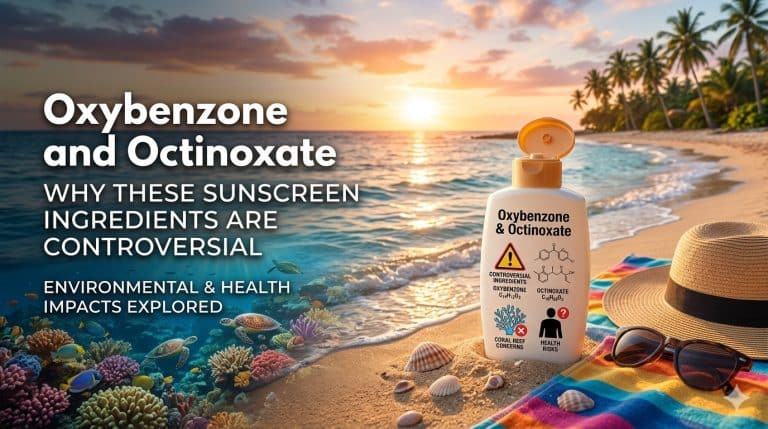
- Many conventional chemical sunscreen filters — like oxybenzone and octinoxate — can disrupt hormones and aggravate acne.
- Lightweight, water-based or gel formulas tend to work better than heavy cream-based sunscreens for oily and breakout-prone skin.
- Zinc oxide is not just UV-protective — it has natural anti-inflammatory properties that can actually help calm acne.
Why Most Sunscreens Are a Problem for Acne-Prone Skin
If you’ve ever slapped on a sunscreen and woken up the next morning with a brand-new breakout, you’re absolutely not imagining it. Certain sunscreen ingredients are genuinely pore-clogging, and a lot of conventional formulas are loaded with them.
The biggest culprits tend to be heavy emollients like coconut oil, isopropyl myristate, and thick silicones. These sit on the skin’s surface and can trap sebum inside your pores. Add synthetic fragrance and preservatives into the mix, and you’ve got a recipe for irritation and congestion.
Then there’s the chemical filter issue. Ingredients like oxybenzone, homosalate, and octinoxate are commonly found in drugstore SPF products. Beyond the potential hormone-disrupting concerns — which I’ve gone into more detail on in my guide to non-toxic sunscreen ingredients — these filters can cause inflammation in sensitive and acne-prone skin types. That’s pretty much the last thing you need when you’re already fighting breakouts.
Mineral Sunscreen: The Acne-Friendly Alternative
This is where things get genuinely exciting — I promise. Mineral sunscreens work differently from chemical ones. Instead of absorbing UV rays and converting them to heat, they sit on top of the skin and physically reflect UV radiation away.
The two active mineral filters are zinc oxide and titanium dioxide. Both are considered safe and effective, but zinc oxide is my personal favourite for acne-prone skin. Here’s why it stands out:
- It has natural anti-inflammatory properties, which can help reduce redness around active breakouts.
- It’s broad-spectrum, covering both UVA and UVB rays in a single ingredient.
- It’s one of the gentlest non-toxic sunscreen options for reactive, sensitive, or blemish-prone skin.
- It has a long safety record and is generally considered non-comedogenic.
You can read more about whether zinc oxide sunscreen is safe if you want the full breakdown. Spoiler: it’s one of the most well-researched SPF ingredients out there.
Mineral vs Chemical Sunscreen: What’s the Actual Difference?
I get this question a lot, so let’s clear it up quickly. Chemical sunscreens absorb into the skin and undergo a chemical reaction to neutralise UV rays. Mineral sunscreens stay on the surface and act as a physical shield.
For acne-prone skin, this distinction matters. Chemical filters often generate a small amount of heat as they work — which can increase inflammation and trigger more sebum production. Mineral filters don’t do this, making them a much more skin-friendly option for breakout-prone types. I’ve put together a more detailed comparison over at my mineral vs chemical sunscreen guide if you want to go deeper on this.
What Ingredients to Avoid in Sunscreen for Acne-Prone Skin
Right, let’s get practical. Here’s a list of ingredients worth steering clear of if you’re prone to breakouts:
- Coconut oil — highly comedogenic and one of the most common pore-cloggers found in “natural” SPF products.
- Isopropyl myristate — often used to improve texture, but notorious for blocking pores.
- Oxybenzone and octinoxate — chemical UV filters with potential hormone-disrupting properties and a history of irritating sensitive skin.
- Synthetic fragrance — a catch-all term that can hide dozens of individual irritants and allergens.
- Thick silicones like dimethicone in high concentrations — can feel suffocating on oily skin and may contribute to congestion over time.
I know — it feels like a lot to check. But once you’ve done your label-reading once and found a product you trust, it’s honestly smooth sailing from there.
What to Look for in a Non-Toxic SPF for Breakout-Prone Skin
So what should you actually be looking for? Non-comedogenic and fragrance-free should be your two non-negotiables. Beyond that, here are the features worth prioritising:
- A zinc oxide base with at least 15–20% concentration for reliable broad-spectrum coverage.
- A lightweight, water-based or gel-like texture that won’t sit heavily on oily skin.
- A short, recognisable ingredient list — fewer mystery additives means fewer chances for a reaction.
- Products that are EWG Verified or rated low on the Environmental Working Group’s Skin Deep database.
- Reef-safe certification as a bonus, which often signals a cleaner formulation overall.
I’ve tried a fair few duds before landing on formulas that actually tick all these boxes — don’t let a bad first experience put you off. A lot of early mineral sunscreens were thick, white-cast nightmares. The newer generation of formulas is genuinely impressive.
Tips for Applying Sunscreen Without Making Acne Worse
Even the best sunscreen can cause issues if it’s applied incorrectly. Always apply SPF as the last step in your morning skincare routine, after moisturiser and before makeup. This prevents it from sitting directly on bare skin and mixing with active ingredients like retinol or exfoliating acids.
Make sure your skin is fully dry before you apply it. Applying sunscreen over damp skin can dilute the formula and reduce protection. Use about a quarter teaspoon for the face — most people significantly under-apply, which means they’re getting far less SPF than the label promises. Reapply every two hours if you’re spending time outdoors, and always cleanse thoroughly at the end of the day to prevent buildup that can clog pores overnight.
My Honest Take
It took me an embarrassingly long time to find sunscreens that worked for my skin without causing fresh breakouts every week. The turning point was switching to mineral-only, fragrance-free formulas with zinc oxide as the star ingredient. I genuinely haven’t looked back.
Your skin deserves SPF protection every single day — sun damage is a major trigger for post-acne scarring getting darker and more stubborn. Skipping sunscreen because it breaks you out isn’t the answer. Finding the right one is. And honestly? It’s so much more achievable than it used to be. There are some genuinely brilliant clean SPF options out there now, and your pores will thank you.